
GD Homes
Rebuilding a Fragmented Brokerage into a Scalable Growth System
Brand transformation animation — from fragmented to unified
Problem
The brokerage lacked a unified brand and growth system, resulting in confused users, weak lead generation, and limited scalability. At the start, the business operated across multiple disconnected identities: • Three separate brand names and domains • Inconsistent messaging across platforms • No centralized lead funnel or communication system • Agents promoting themselves instead of the brokerage Core failure: Brand fragmentation prevented trust, making it difficult to generate consistent leads or scale the business.
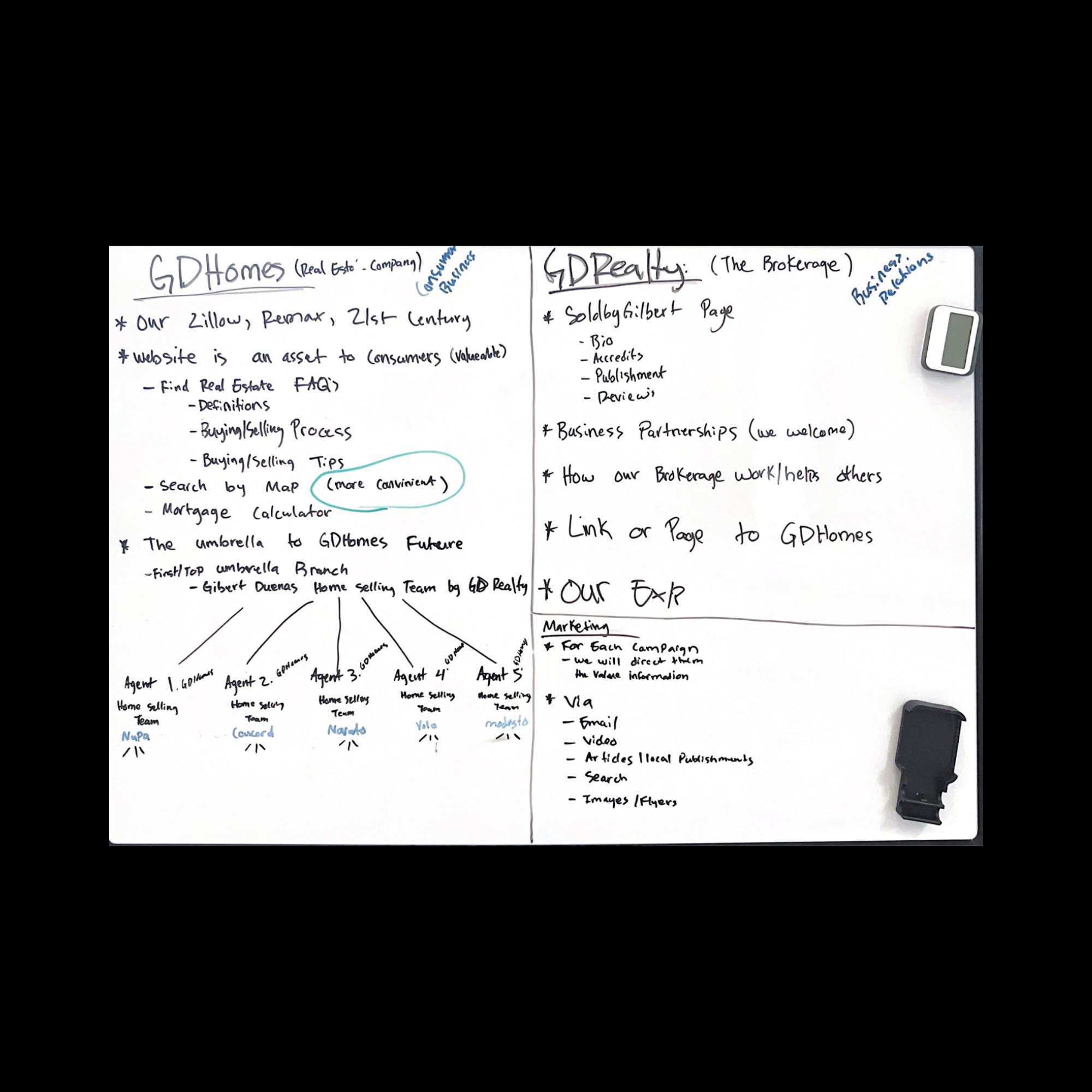
Before: Fragmented system across multiple domains and teams
Primary Users
1. Home buyers & sellers (Primary) • Searching for trustworthy, local real estate expertise • Needed clarity, credibility, and ease of contact 2. Internal agents (Secondary) • Needed a brand they could confidently represent • Required structure for growth, retention, and recruitment
Constraints
• One-man team (design, growth, execution) • No existing data infrastructure • Stakeholder resistance to rebranding decisions • Conflicting leadership priorities • Limited budget with misallocated spend • Underperforming sales team (conversion bottleneck) These constraints forced a focus on: High-leverage decisions that impact both brand and revenue.
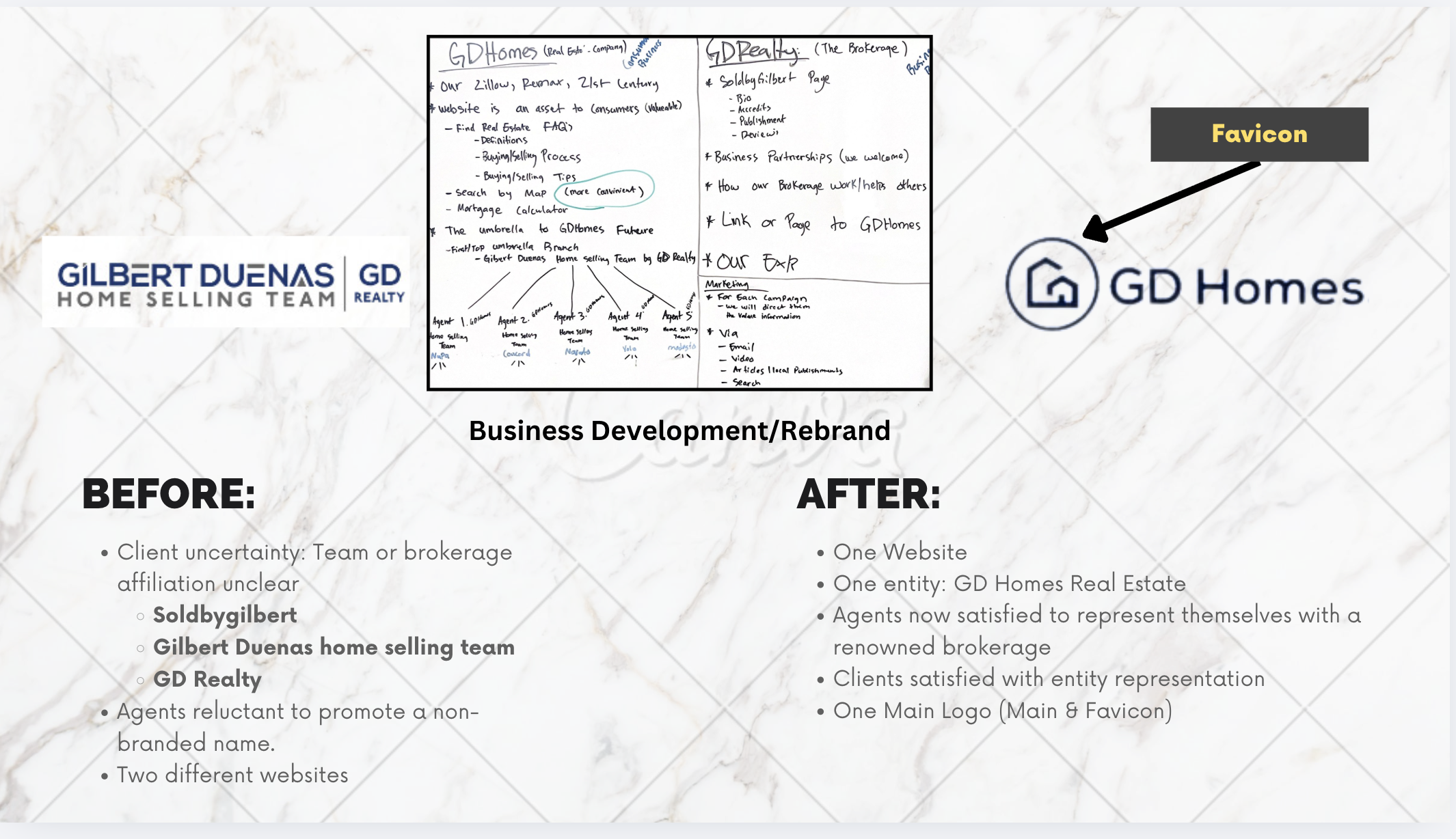
Business Development & Rebrand: Before vs After comparison
Options Considered
Option A — Double Down on Individual Agent Branding Allow agents to grow personal brands independently. Pros: Faster short-term visibility. Cons: No unified identity, weak long-term scalability. Option B — Social Media-First Growth Focus heavily on content and engagement. Pros: High visibility, low barrier to entry. Cons: No infrastructure to convert or retain leads. Option C — Physical Branding Investment Invest in storefront signage (~$5K). Pros: Local visibility. Cons: No measurable ROI, limited reach. Option D — Brand + Infrastructure First (Chosen) Rebuild the foundation: Unified brand, centralized website, scalable growth system. Pros: Long-term scalability, stronger trust and recognition, enables all future marketing efforts. Cons: Slower visible results initially, required stakeholder alignment.
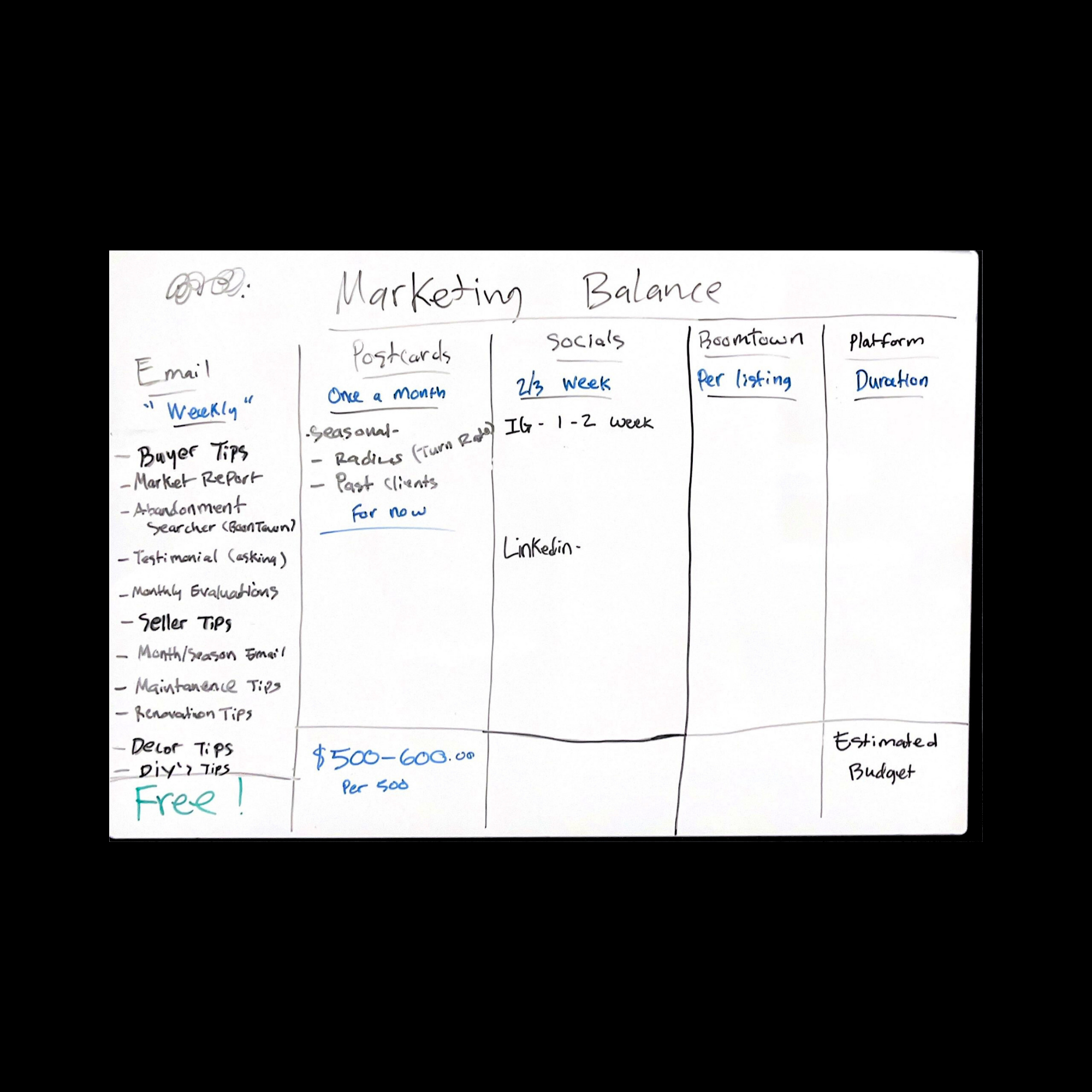
Marketing balance: Physical vs digital spend comparison
Tradeoffs
• Brand-first approach → Delayed short-term lead generation • Centralized identity → Reduced individual agent branding freedom • SEO + infrastructure focus → Slower payoff vs paid ads • Digital-first investment → Less emphasis on physical/local branding Strategy: Fix the foundation before scaling visibility.
Decision 1: Rebrand as the First Domino
The most critical decision: Consolidate all identities into one unified brand: GDHomes This enabled: • Clear brand hierarchy • Consistent messaging • Stronger consumer trust • A foundation for agent alignment and recruitment
The new unified GD Homes brand identity
Decision 2: Build a Centralized Digital Hub
Replaced multiple domains with GDHomes.com (short, memorable, scalable) Key improvements: • Single entry point for all users • Unified lead funnel • Improved SEO performance Impact: Achieved top Google ranking in key local markets and increased discoverability and inbound traffic.
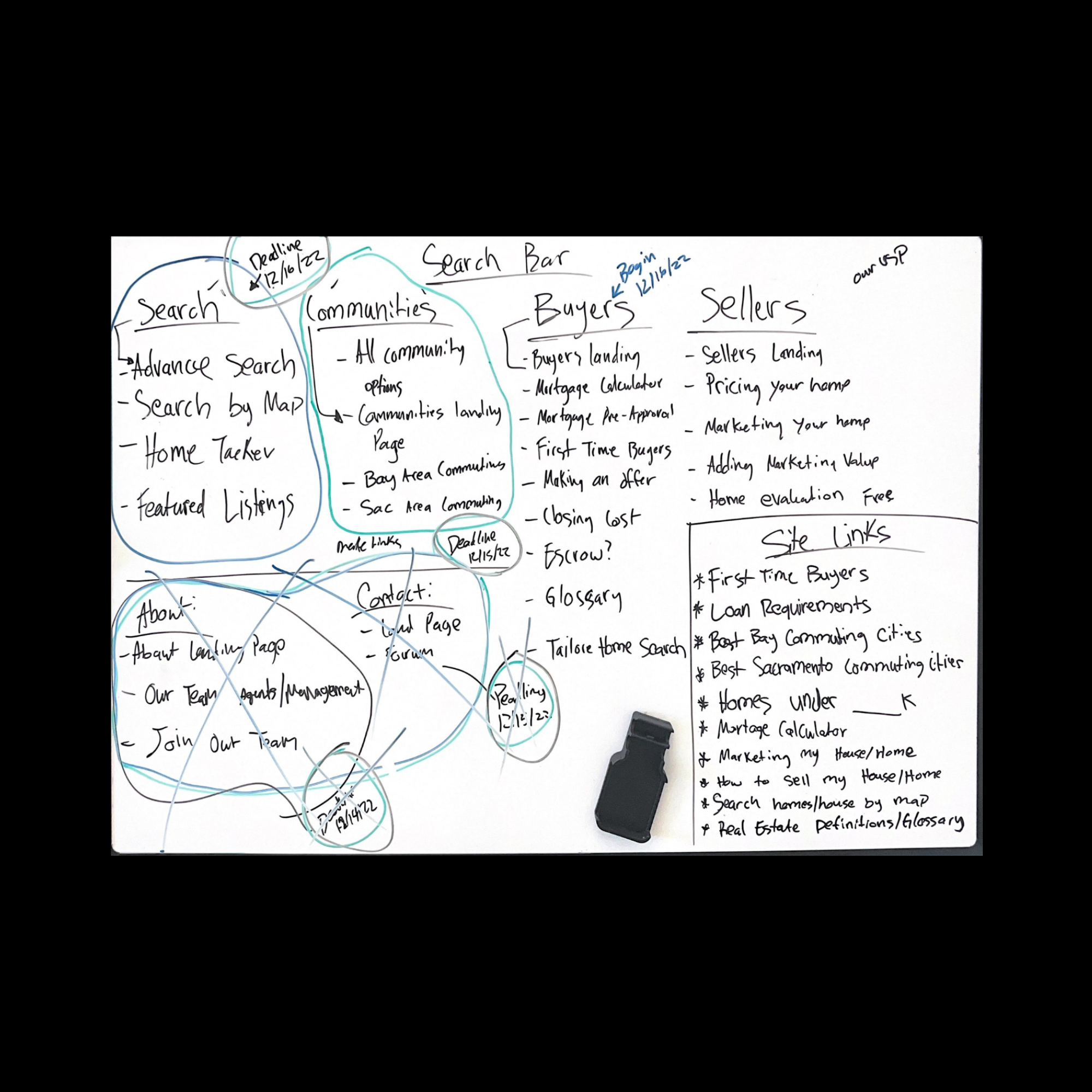
Information architecture: Unified navigation and content structure
Website transformation walkthrough
Decision 3: Eliminate Wasteful Spending
Leadership initially planned: • $5K storefront branding investment • Continued use of overpriced, underutilized tools Decision: Redirect budget to domain, website, and digital infrastructure. Impact: Saved $20,000+ in first 3 months and reduced operational costs by 54.55%.
Decision 4: Build a Data-Driven Growth System
Implemented: • Google Analytics (performance tracking) • Mailchimp (segmented email journeys) • SEO optimization (metadata, regional targeting) • CRM workflow improvements Shift: From guesswork to measurable performance.
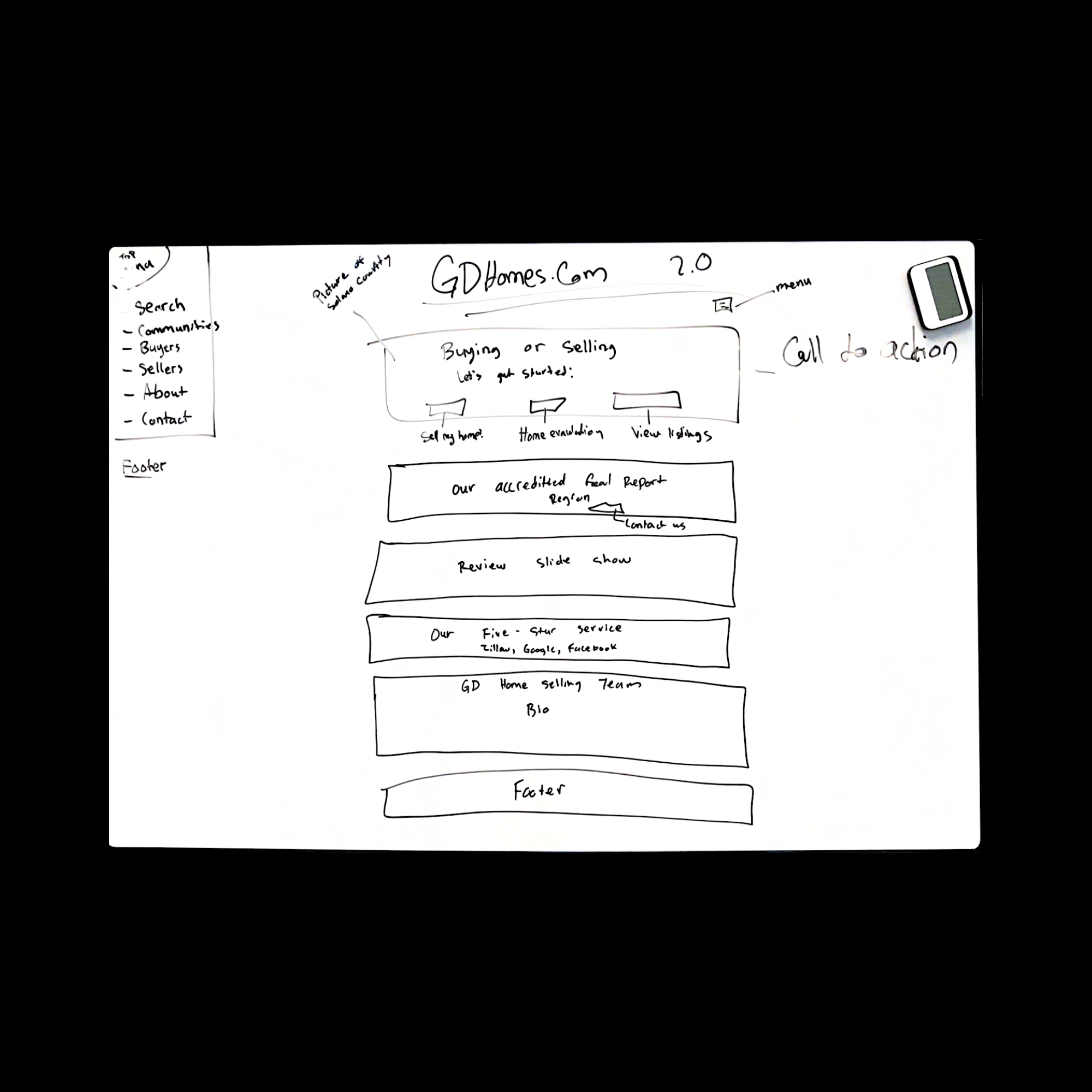
Lead flow: Unified buying/selling decision paths
Decision 5: Optimize Lead Generation & Engagement
Redesigned email campaigns with improved clarity, relevance, and segmentation. Impact: Email engagement increased from 3% to 27%.
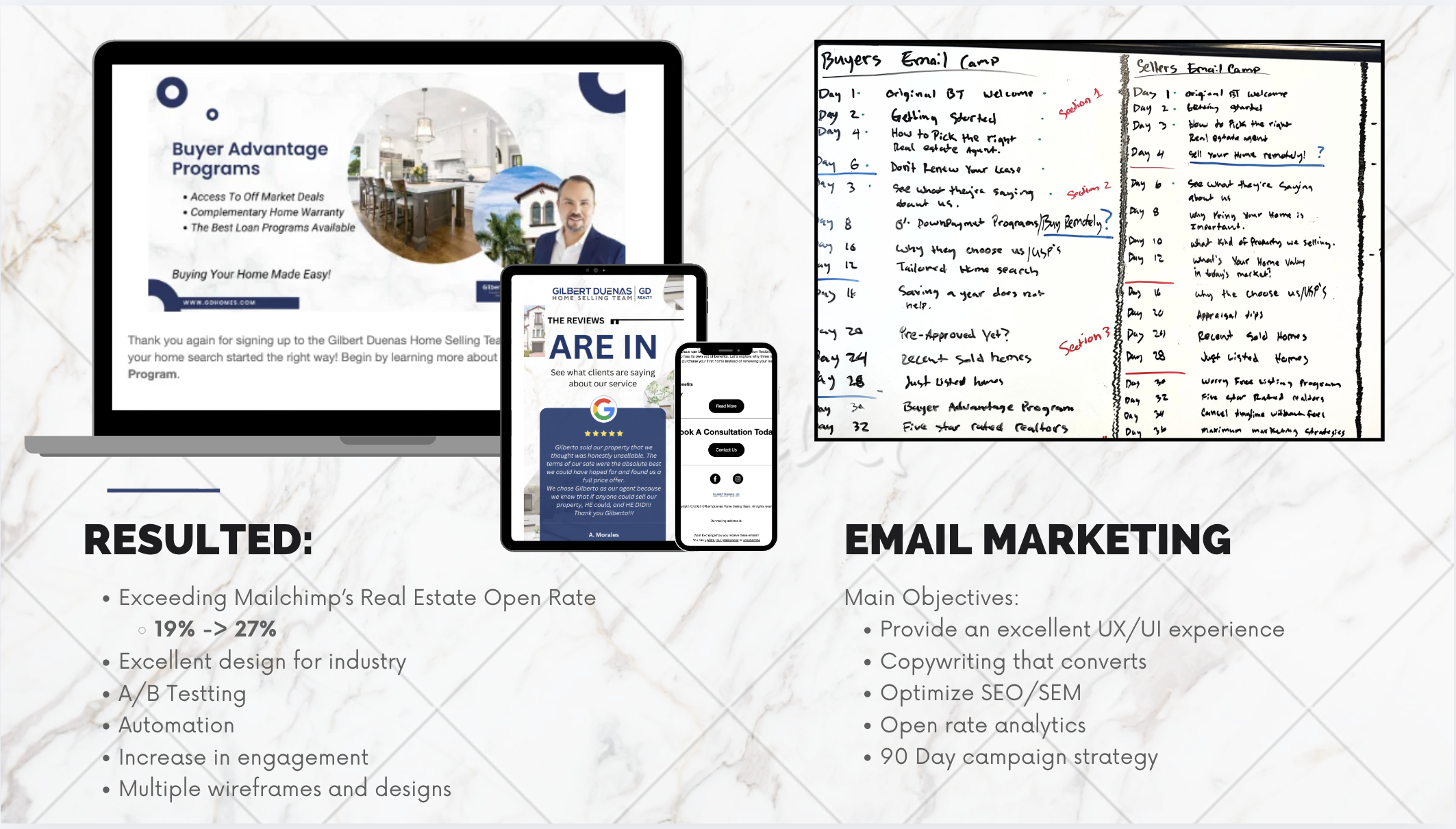
Email marketing strategy and results — 19% to 27% open rate
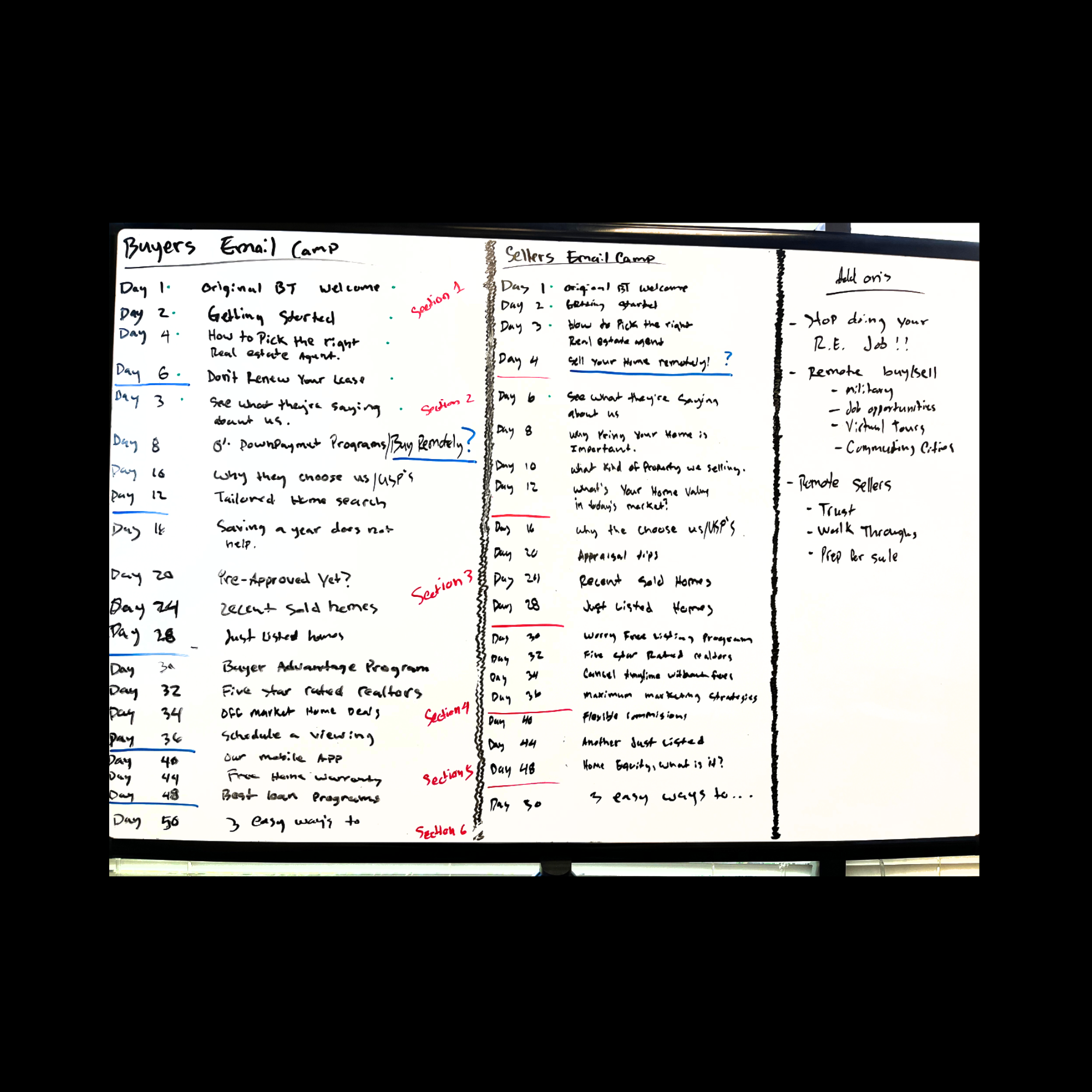

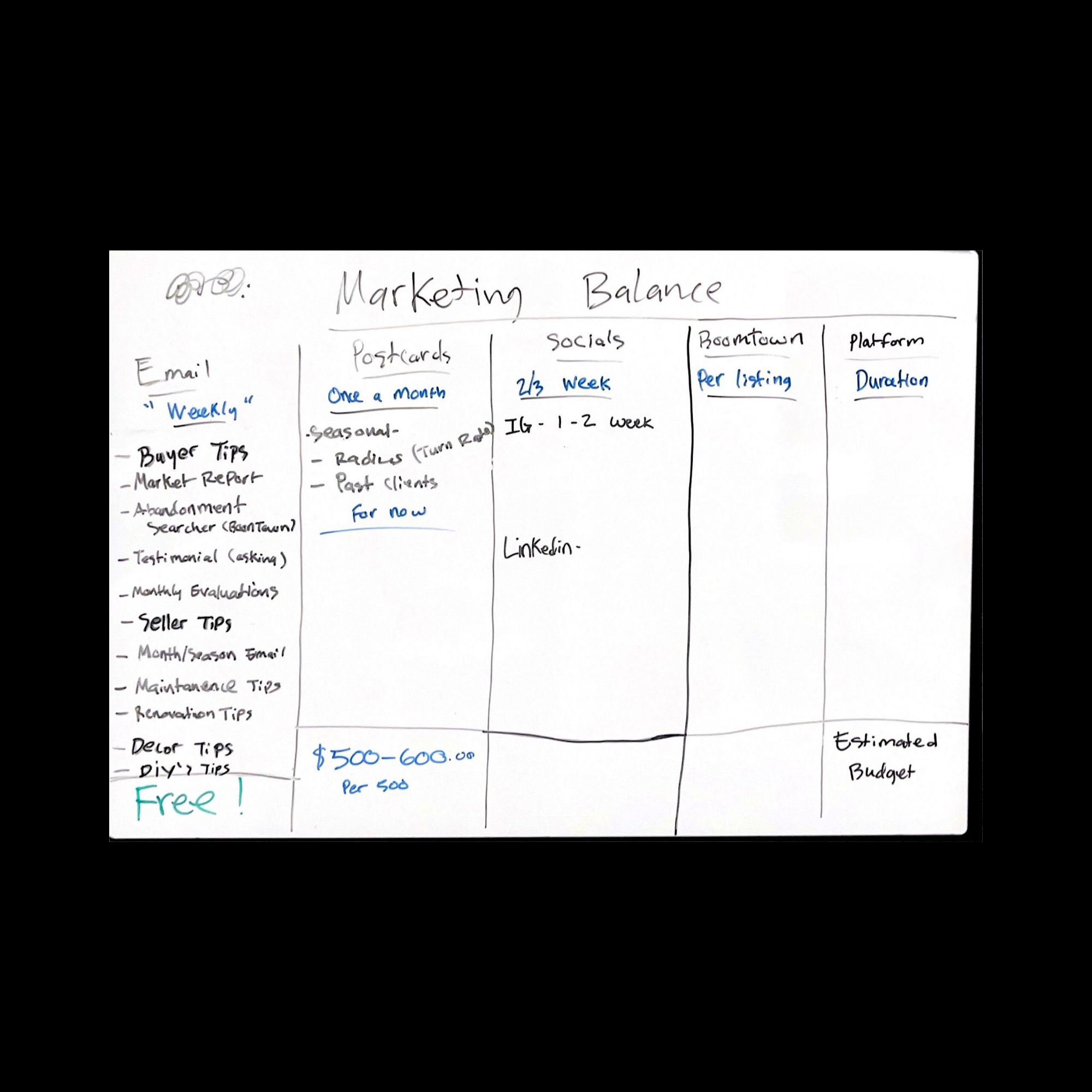
Email campaign planning artifacts
Brand Content & Engagement
Created consistent brand collateral across digital and print channels, including social media graphics, listing posts, and promotional videos that drove measurable growth.
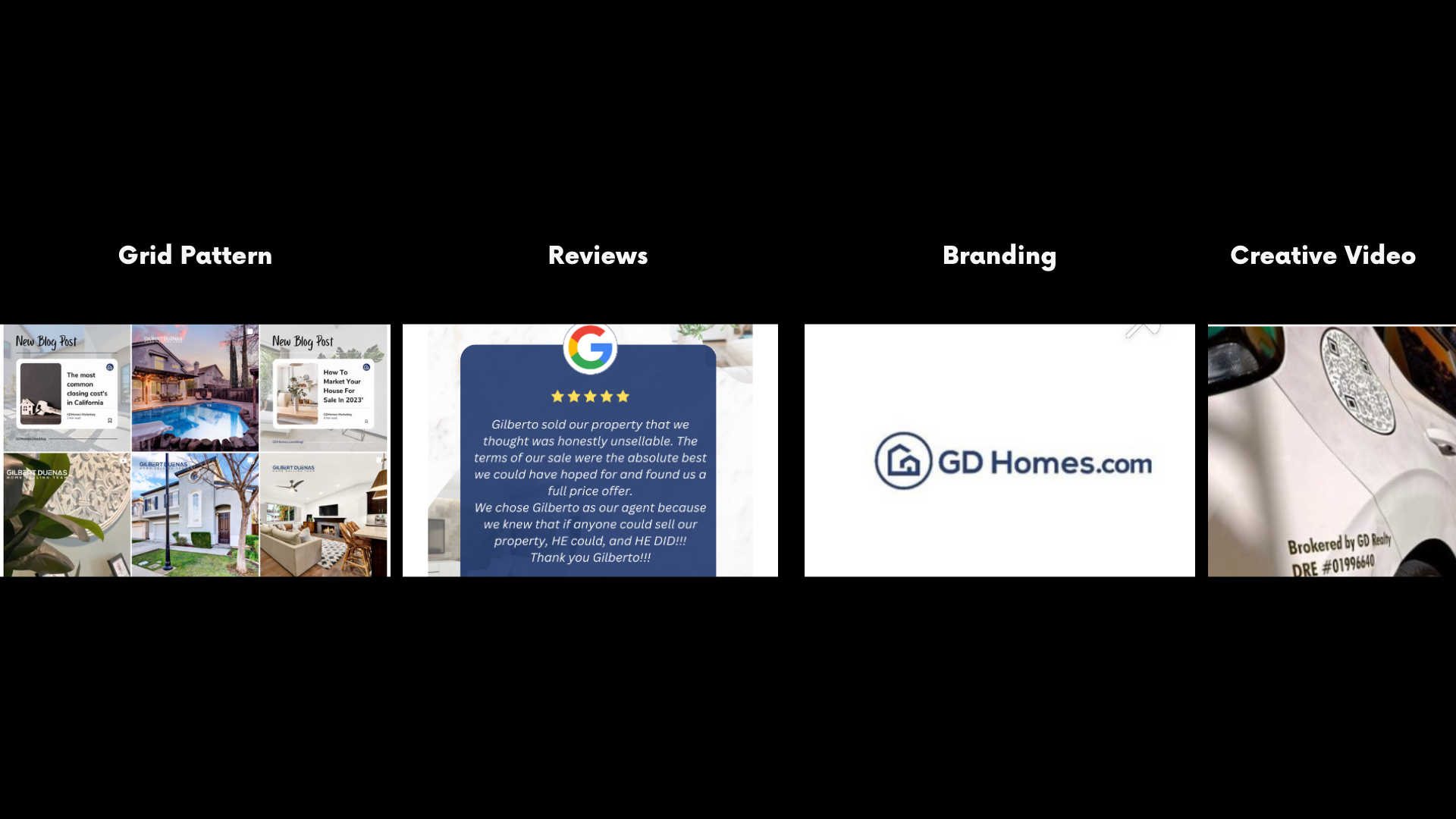
Content pillars: Grid pattern, reviews, branding, and creative video

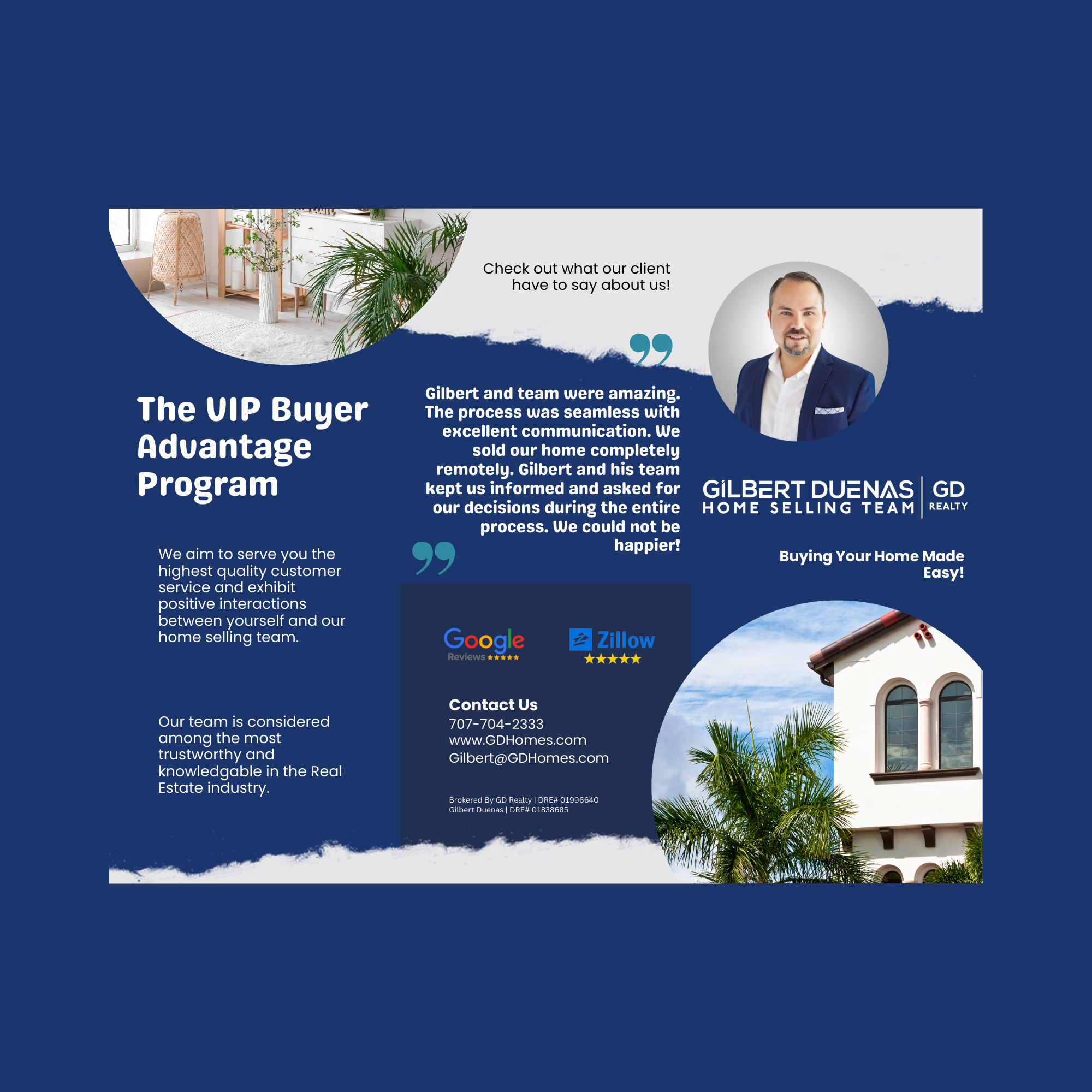

Sample deliverables: Social posts, buyer programs, and print collateral
Promotional video that gained 50+ followers in one week
What Didn't Work
• Sales team limitations — High-quality leads did not always convert • Leadership resistance — Disagreements on branding direction and recruitment strategy • Adoption challenges — Not all systems were fully embraced long-term Key insight: Strong design and growth systems can generate demand—but cannot fix weak sales execution.
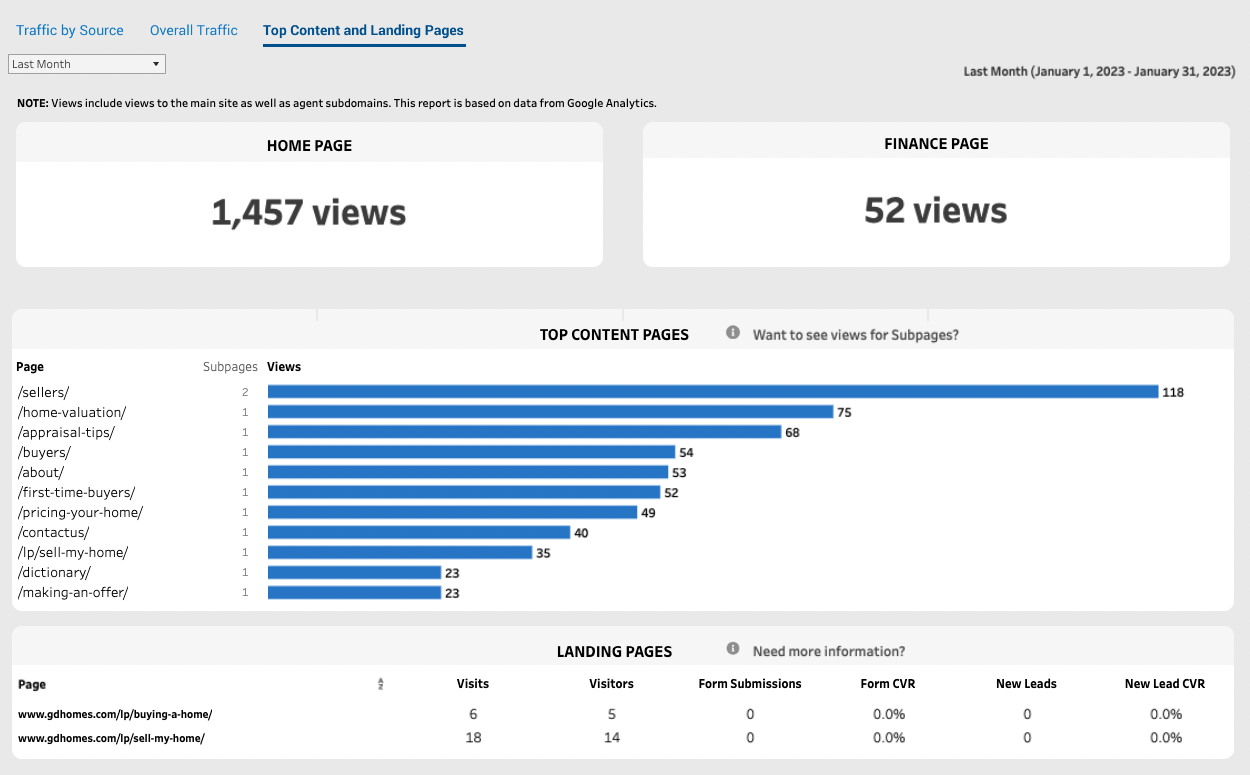
Reality check: High traffic, 0% landing page conversion — proving sales bottleneck
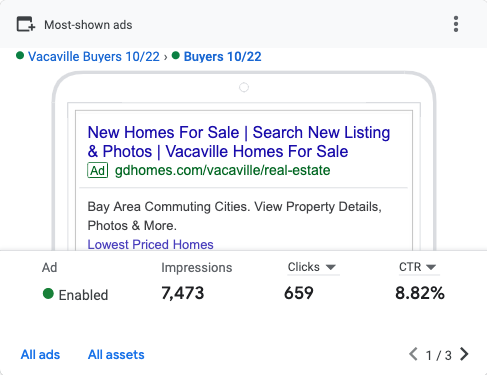
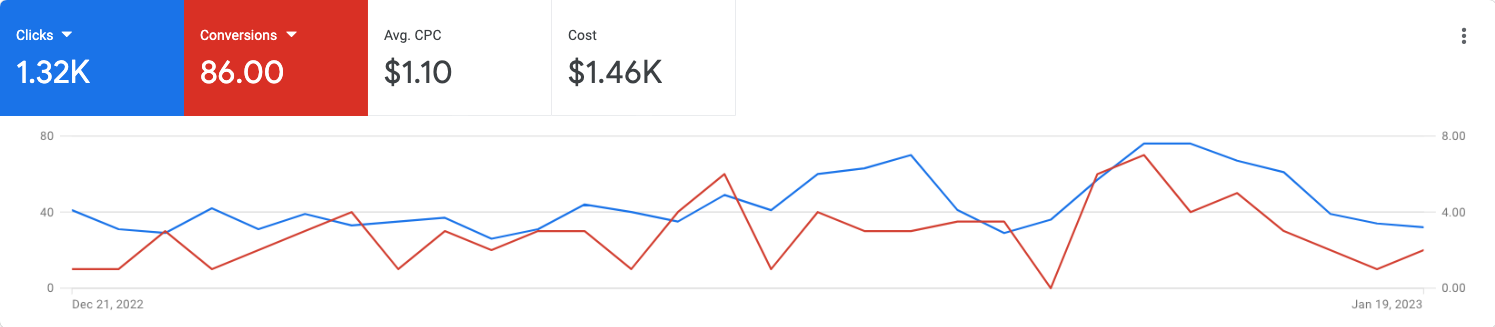
Ad performance: 8.82% CTR at $1.10 CPC — ads worked, sales didn't
Evolution
Initial assumption: Growth could be driven through marketing tactics alone. Reality: Without a strong brand and system, growth efforts become fragmented and ineffective. Final principle: Brand + infrastructure must come before scale.
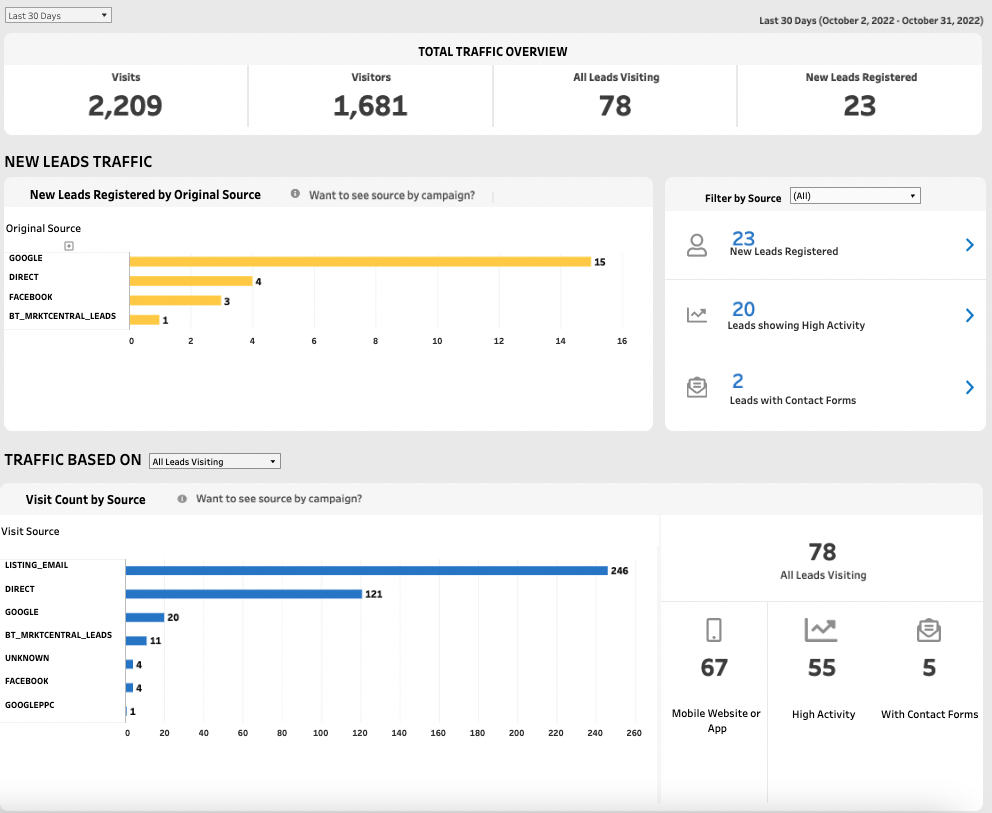
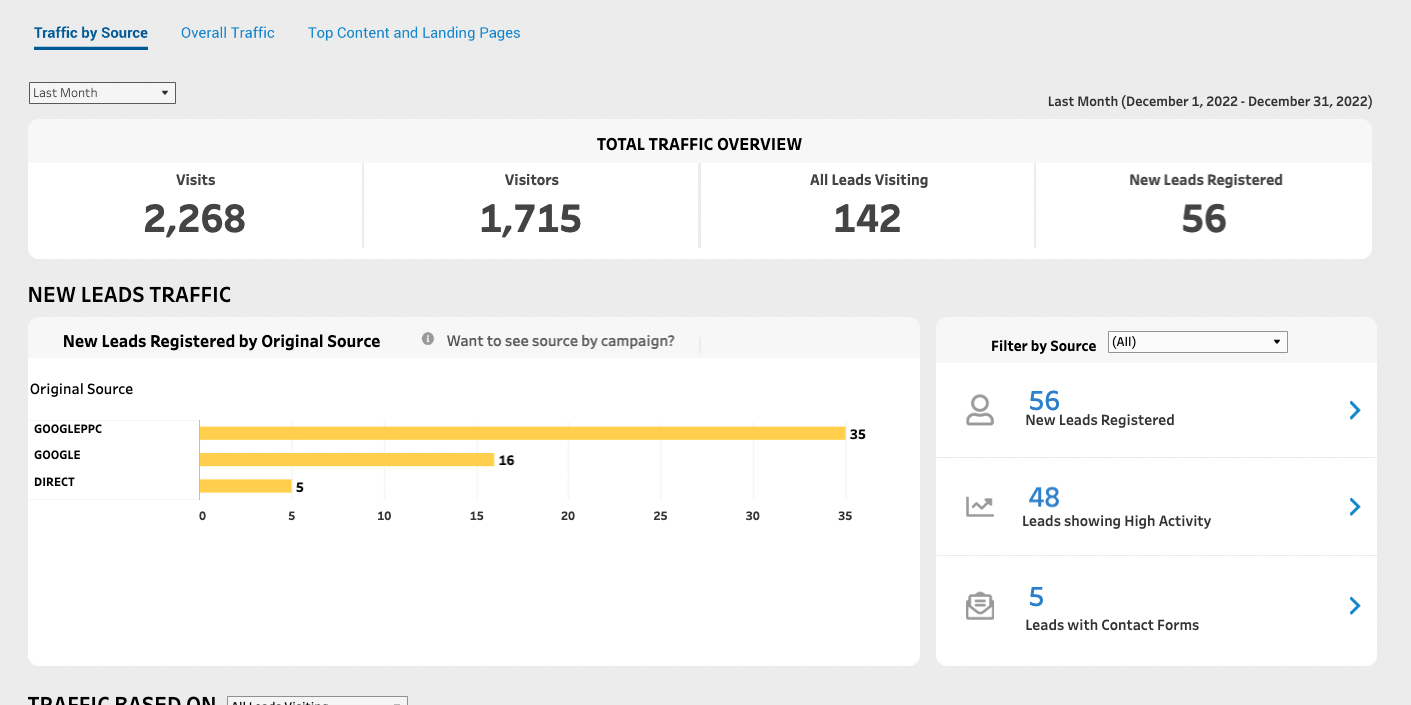
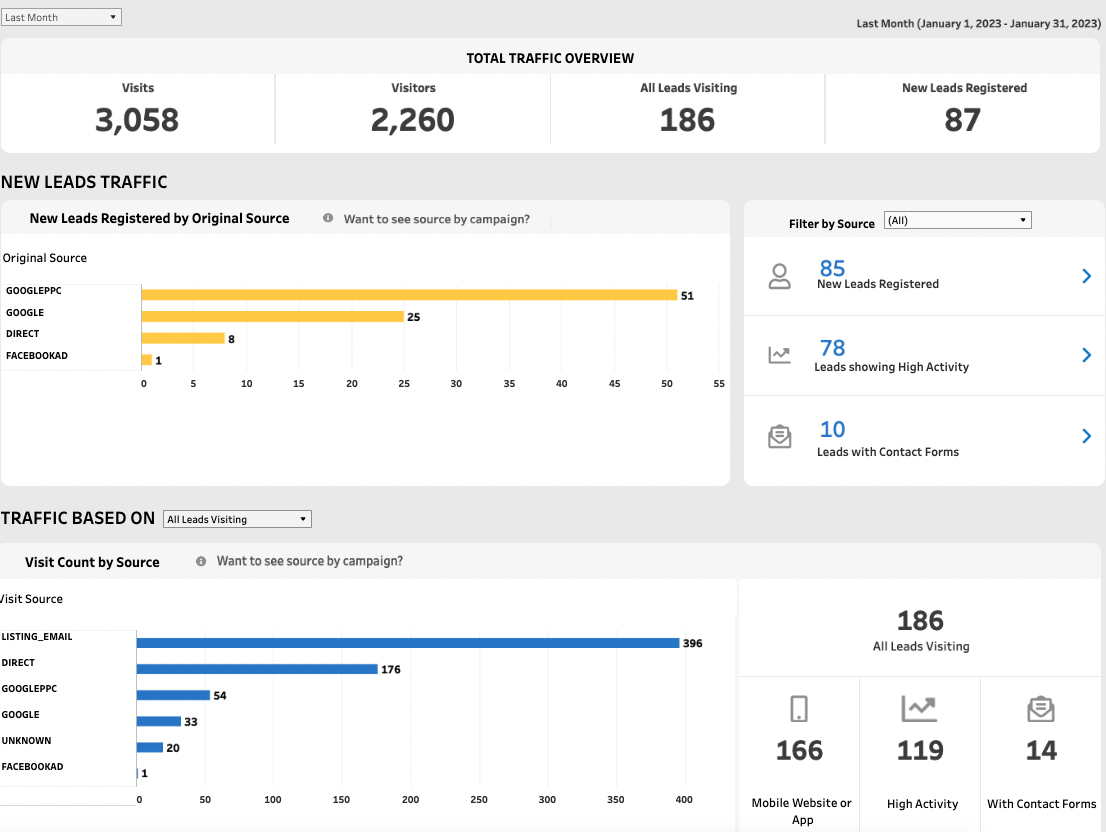
Growth trajectory: October baseline → December growth → January results (278% lead increase)
Results & Impact
Next Project
Miva Day
Designing a Mental Health Experience People Actually Show Up For